

Trending News
Stay ahead with Intellectia's Trending News, delivering the latest financial market updates and insights.

Google, Blackstone Launch $5B AI Cloud Venture
Google and Blackstone are collaborating to launch a $5 billion artificial intelligence (AI) cloud company, leveraging Google's Tensor Processing Units (TPUs) and software. Blackstone will hold a majority stake, while the venture aims to provide advanced AI-driven computing services. This partnership reflects growing investments in AI infrastructure, with major tech firms expected to spend over $700 billion this year. The venture will also compete in the burgeoning AI chip market alongside players like Nvidia and Amazon.
19 May 26

Japan's Economy Grows Amid Energy Shock Risks
Japan's GDP grew at an annualized rate of 2.1% in Q1, surpassing forecasts and showcasing resilience despite global energy disruptions caused by the Iran conflict. Consumer spending and capital expenditure were key contributors to growth. However, analysts warn of potential economic slowdown as rising energy prices and supply chain disruptions loom, leaving policymakers to navigate inflation risks and interest rate decisions.
19 May 26

Rising Yields and Inflation Weigh on Markets
Global markets faced significant pressure as rising Treasury yields and inflation concerns dominated investor sentiment. The S&P 500 and Nasdaq saw declines, while elevated oil prices and geopolitical tensions further fueled inflation fears. Key corporate events, including Nvidia’s earnings and major retail reports from Target and Walmart, are anticipated this week. Meanwhile, bond yields reached new highs, signaling potential Federal Reserve rate hikes to curb inflation.
19 May 26

Stocks Fall Amid Rising Yields and Inflation Fears
Global equity markets tumbled as surging bond yields and inflation concerns overshadowed previous AI-driven gains. U.S. stocks, including the Dow, Nasdaq, and S&P 500, retreated from record highs, with energy prices and Middle East tensions further exacerbating inflation worries. Rising Treasury yields and fears of additional Federal Reserve rate hikes added pressure. Meanwhile, oil prices surged due to geopolitical uncertainty, and the dollar strengthened on expectations of tighter monetary policy.
16 May 26
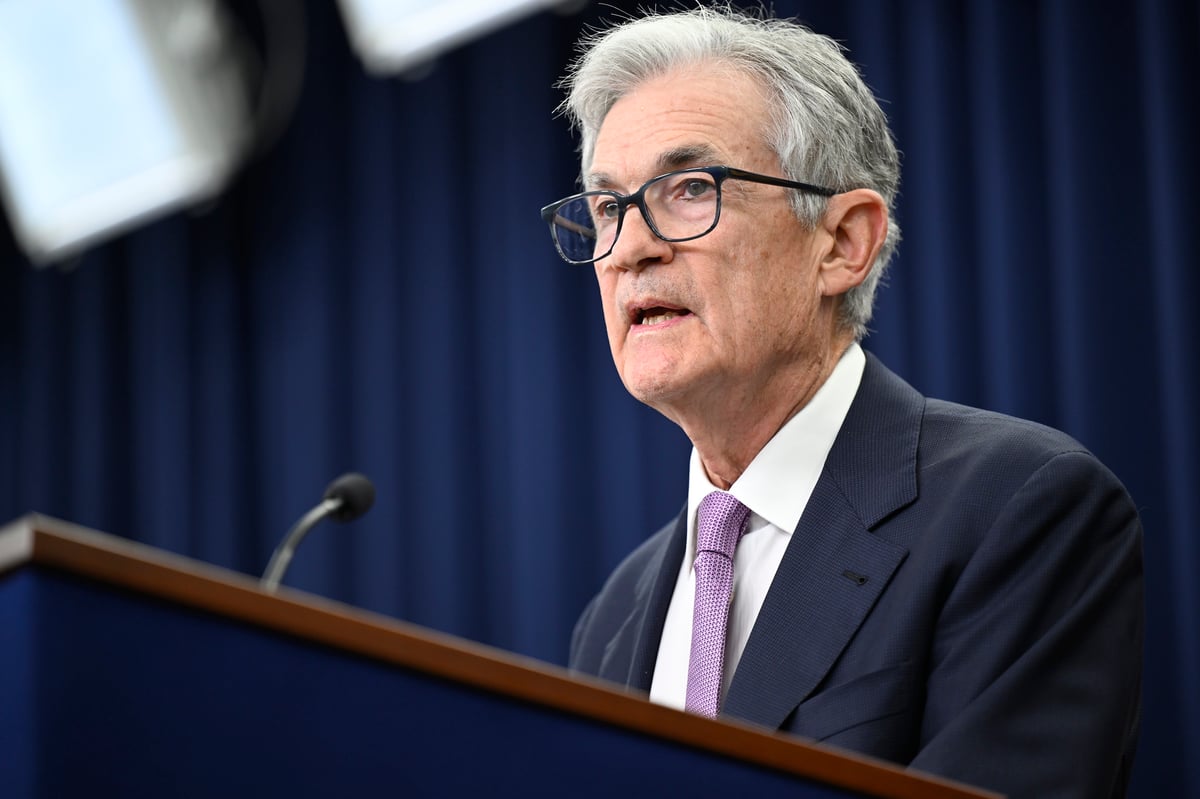
Jerome Powell's Fed Legacy: Challenges and Changes
Jerome Powell's tenure as Federal Reserve Chair concludes, marking a pivotal era for the U.S. central bank. His term saw historic monetary policy shifts, including rate cuts during the pandemic and aggressive hikes to combat inflation. Powell's leadership emphasized stability, but his final year was marred by increasing FOMC divisions. As Kevin Warsh takes over, challenges like internal dissent and balance sheet reductions loom large, posing uncertainties for financial markets and the Fed's credibility.
15 May 26
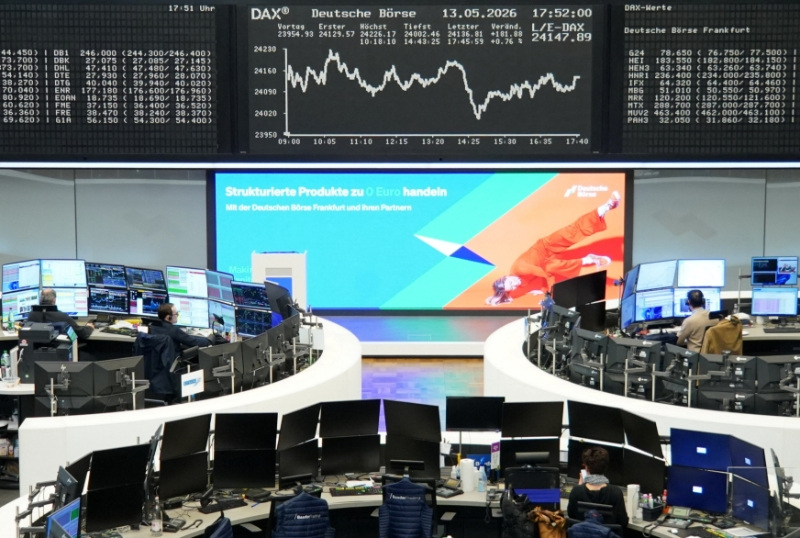
Markets Dip as Inflation Fears Weigh on Sentiment
Global stock futures and equities retreated on Friday, driven by inflation concerns linked to rising oil prices and geopolitical tensions. The Trump-Xi summit concluded with limited progress on key issues, adding to market uncertainty. Treasury yields surged to multi-year highs as bond markets reacted to inflationary pressures, while oil prices climbed due to Middle East conflicts. Investors remain cautious as potential Federal Reserve rate hikes loom.
15 May 26

Japan's Wholesale Inflation Hits 4.9% in April
Japan's wholesale inflation surged to 4.9% in April, exceeding market expectations of 3.0%, driven by rising energy and import costs amid the Middle East conflict. The Bank of Japan faces mounting pressure to consider a June rate hike as inflationary pressures build. Key sectors such as petroleum, chemical goods, and nonferrous metals saw significant price increases, signaling potential consumer price impacts.
15 May 26
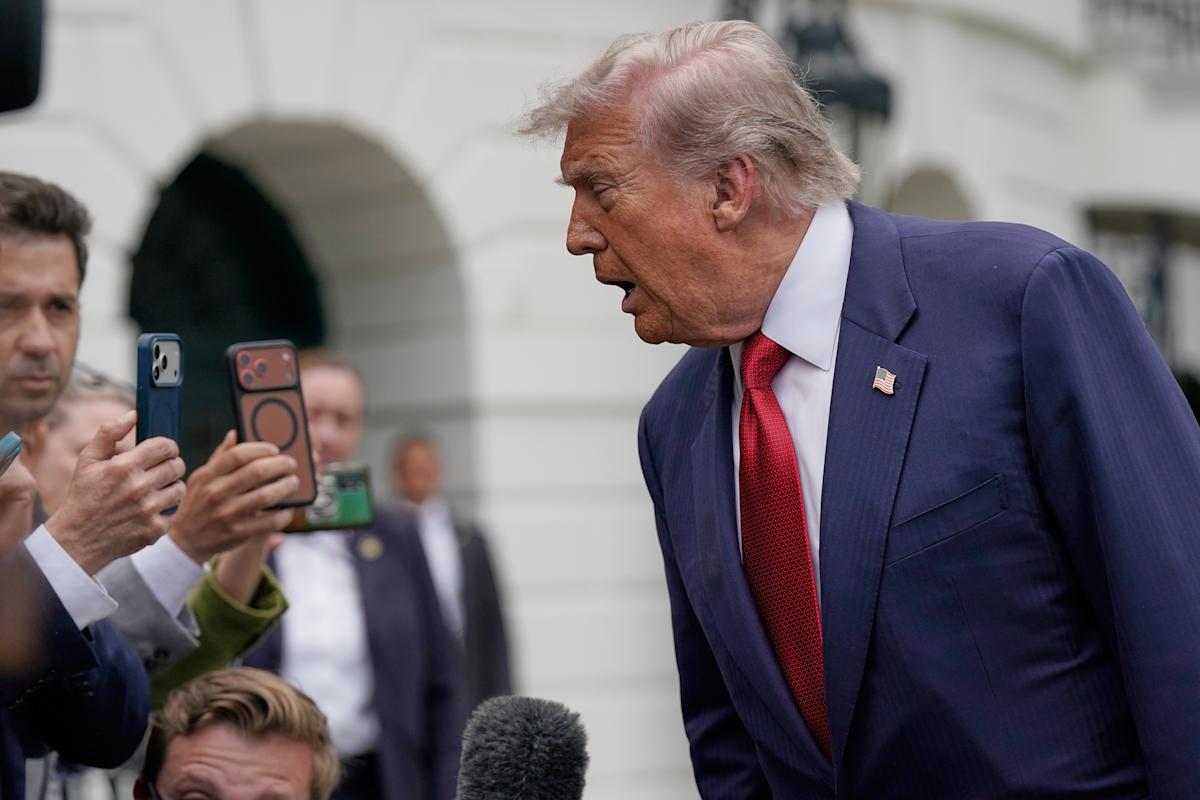
AI Surge Lifts Markets Amid Inflation Concerns
U.S. stock markets climbed on Monday, driven by AI momentum and strong semiconductor performance, even as geopolitical tensions and rising oil prices stoked inflation concerns. The S&P 500 and Nasdaq hit record highs, with semiconductor stocks leading gains. Meanwhile, investors shifted focus to upcoming economic data, including the Consumer Price Index and retail sales, to gauge the broader inflationary impact.
12 May 26

Circle Stock Surges Amid Stablecoin Expansion
Circle Internet Group's stock rose significantly following strong earnings and increased adoption of its USDC stablecoin. With a 20% revenue increase and higher stablecoin reserves, the company is leveraging AI and institutional partnerships to expand its use cases. Analysts view Circle's competitive edge in stablecoin commerce as a key driver for future growth, despite market volatility. Circle's focus on AI-enabled financial tools and favorable regulatory developments further solidify its position as a leader in the stablecoin market.
12 May 26

Dollar Steady Amid US-Iran Tensions
The US dollar held steady as geopolitical tensions between the US and Iran escalated following President Trump’s rejection of Iran's peace proposal. Oil prices surged, with Brent crude rising 3.6% to $104.94 a barrel. While markets remain cautious, the upcoming US-China summit and inflation data are anticipated to be key drivers of market sentiment. Analysts suggest the resilient US economy and central bank policies continue to bolster the dollar amidst uncertainty in the Middle East.
11 May 26

Dollar Gains as Iran Talks Stall
The U.S. dollar strengthened in Asian markets as deadlocked talks between the U.S. and Iran raised concerns about the prolonged closure of the Strait of Hormuz, driving up oil prices. Brent crude surged 4.5%, and U.S. crude climbed 5%, while Asian stock markets showed mixed performances. The ongoing Middle East conflict, now in its 11th week, adds to global economic uncertainties, with energy prices posing significant risks to growth. Meanwhile, upcoming geopolitical discussions between the U.S. and China could further impact market dynamics.
11 May 26

Stocks Mixed Amid Jobs Data and Oil Surge
Global equities showed mixed performance as investors weighed strong U.S. job growth, falling consumer sentiment, and elevated oil prices due to Middle East tensions. Tech-heavy Nasdaq gained 1.7%, driven by chipmaker rallies like Intel's 14% surge on its deal with Apple. Meanwhile, oil prices climbed amid renewed clashes near the Strait of Hormuz, while the dollar weakened further against major currencies.
09 May 26
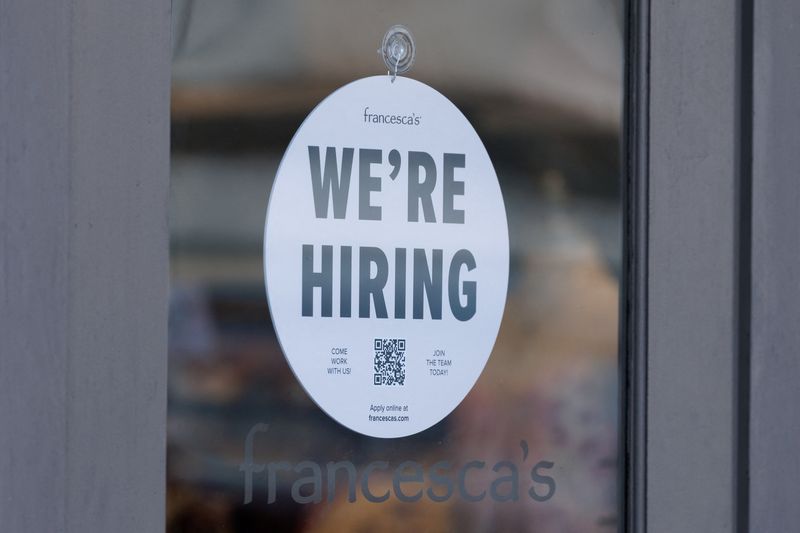
April Jobs Report Highlights Labor Market Resilience
The April jobs report revealed the U.S. economy added 115,000 jobs, significantly surpassing expectations of 65,000. The unemployment rate remained steady at 4.3%. While the labor market shows resilience, shifts such as AI adoption, an aging population, and reduced immigration are transforming job dynamics. Key growth sectors include healthcare and transportation, while tech layoffs persist. Economists emphasize focusing on three-month averages to account for volatility in monthly data.
08 May 26
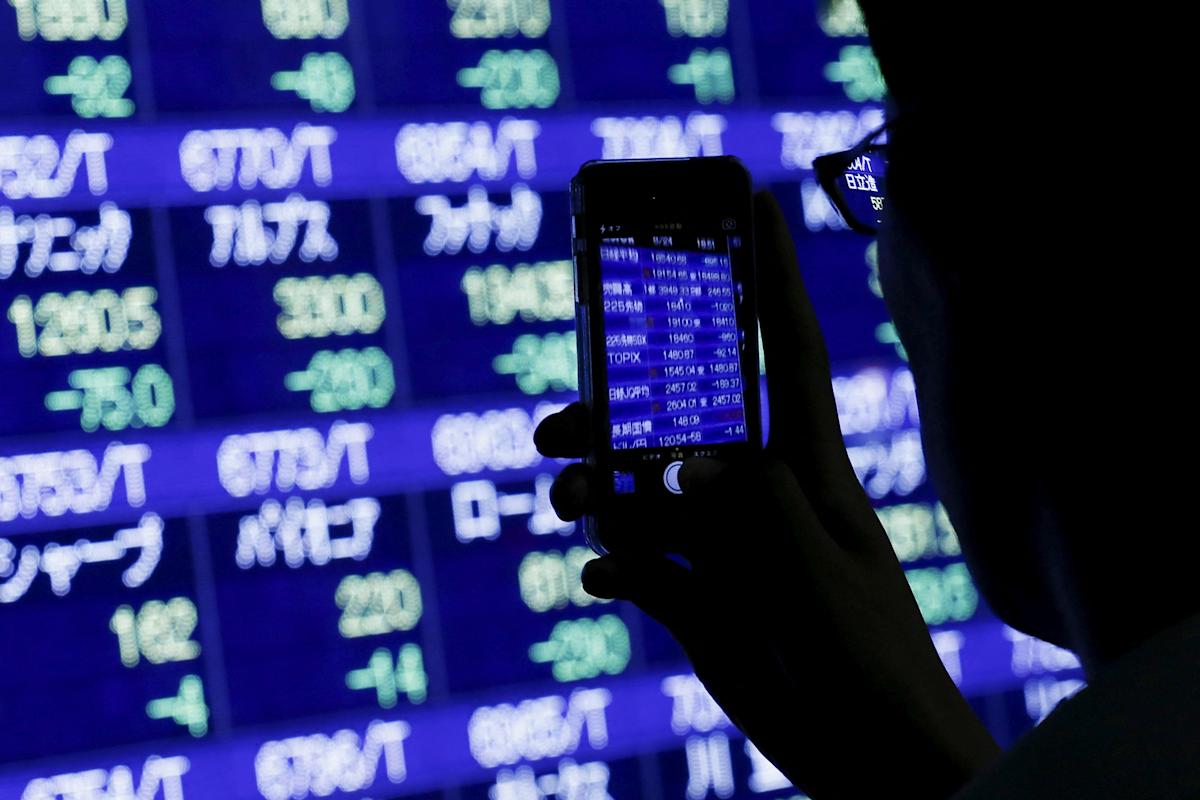
Dow, S&P 500, Nasdaq Slip as Oil Prices Rise
U.S. stock markets experienced a slight downturn on Thursday, with the Dow falling 0.6%, the S&P 500 dropping 0.4%, and the Nasdaq slipping 0.1%. Investors closely monitored Iran's response to a proposed peace deal, which impacted oil prices as Brent crude rose above $100 per barrel. Meanwhile, AI-driven stocks and tech earnings remained a key focus, though growth slowed temporarily. Labor market data also highlighted a decline in jobless claims, setting the stage for Friday's jobs report.
08 May 26
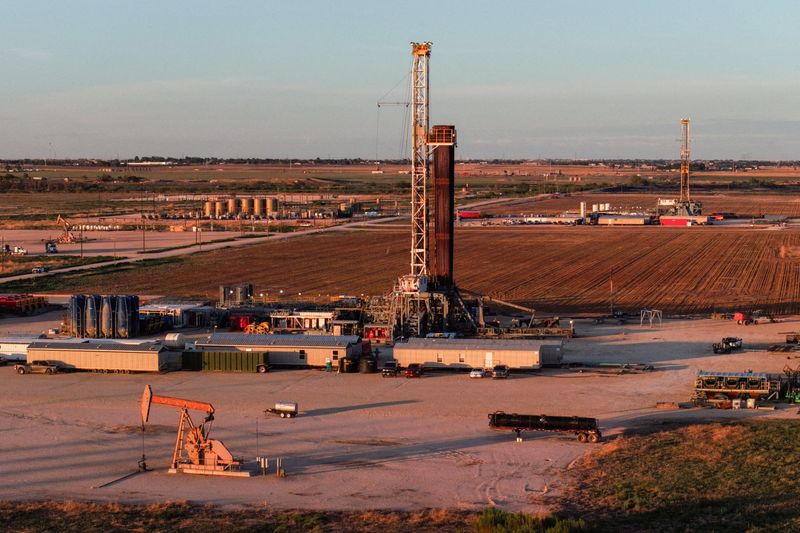
Oil Prices Drop Amid Middle East Peace Speculation
Oil prices fell by 3% on Thursday, with Brent crude staying under $100 per barrel, driven by optimism around a potential U.S.-Iran peace deal. The deal could lead to a reopening of the Strait of Hormuz, easing supply disruptions. However, analysts remain skeptical about the feasibility of the agreement, with concerns over its long-term viability.
08 May 26
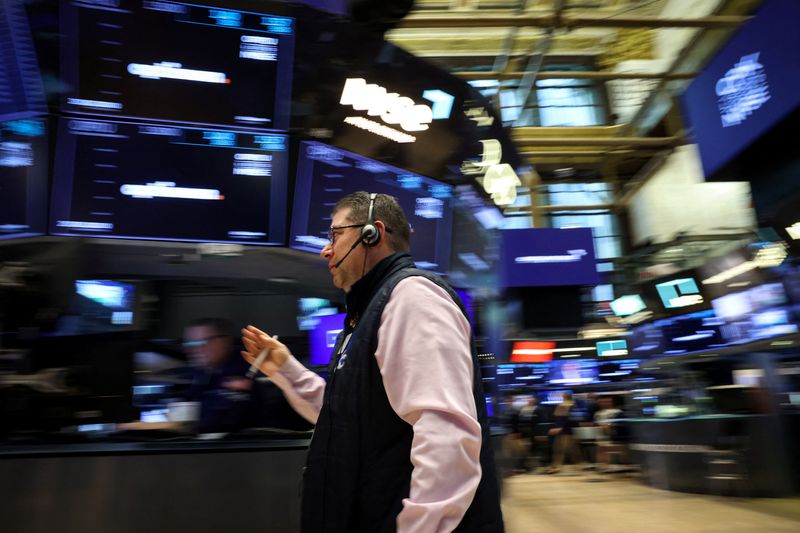
Stocks Rally Amid AI Gains and Iran Peace Hopes
Global stocks surged to new highs on reports of a potential U.S.-Iran peace deal and strong earnings in the tech sector. Key indexes like the Nasdaq and S&P 500 climbed significantly, driven by optimism around artificial intelligence trades and robust corporate earnings. Oil prices dropped sharply, reflecting eased tensions in the Gulf. The semiconductor industry, led by companies like AMD and Samsung, saw substantial gains, highlighting AI's growing influence on market dynamics.
07 May 26

Iran, US Near War-Ending Deal Amid Oil Drop
Iran and the U.S. are reportedly close to finalizing a memorandum to end a near 10-week war that has disrupted global energy markets. Key provisions include lifting sanctions, reopening the Strait of Hormuz, and halting Iran’s nuclear enrichment. Oil prices plummeted on the news, with Brent crude falling 11% to briefly touch $100 per barrel. President Trump has paused military operations in the region to support negotiations, while global diplomatic efforts, including China's involvement, continue to pressure for a resolution.
06 May 26

Oil Prices Drop Amid Potential Iran Peace Deal
Oil prices declined for the second consecutive day as U.S. President Donald Trump hinted at progress towards a peace deal with Iran, raising hopes for resumed oil supply from the Strait of Hormuz. Brent crude dropped to $107.98, while WTI fell to $100.44. Despite the potential de-escalation, the U.S. Navy will maintain its blockade of Iranian ports, and oil prices remain elevated due to uncertainty over the deal's finalization. Meanwhile, U.S. crude inventories saw a significant reduction, further impacting market dynamics.
06 May 26
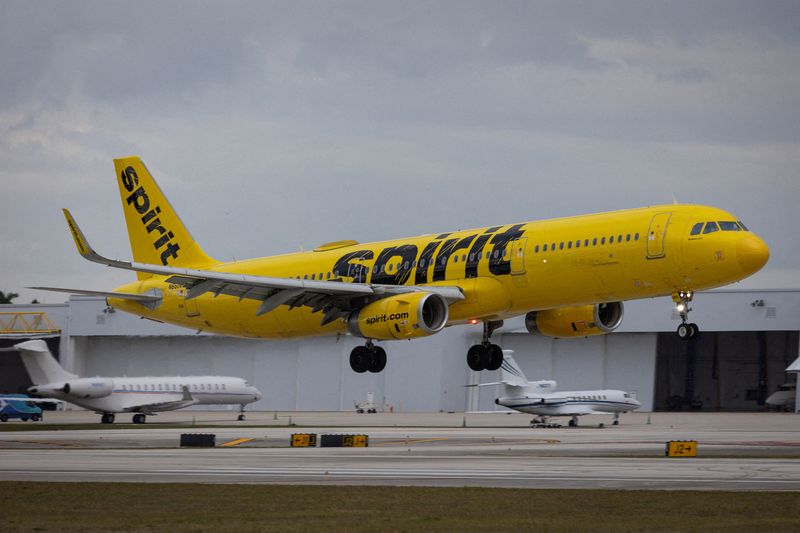
Spirit Airlines Faces Shutdown Amid Bailout Struggles
Spirit Airlines is on the verge of shutting down after failing to secure a $500 million government bailout. Talks between bondholders and the Trump administration did not result in an agreement, leaving the budget carrier in financial jeopardy. The airline, known for pioneering the low-cost model, has been hit hard by rising fuel prices and changing market conditions. Competing airlines like United, American, and JetBlue are preparing to assist stranded passengers if Spirit ceases operations.
02 May 26
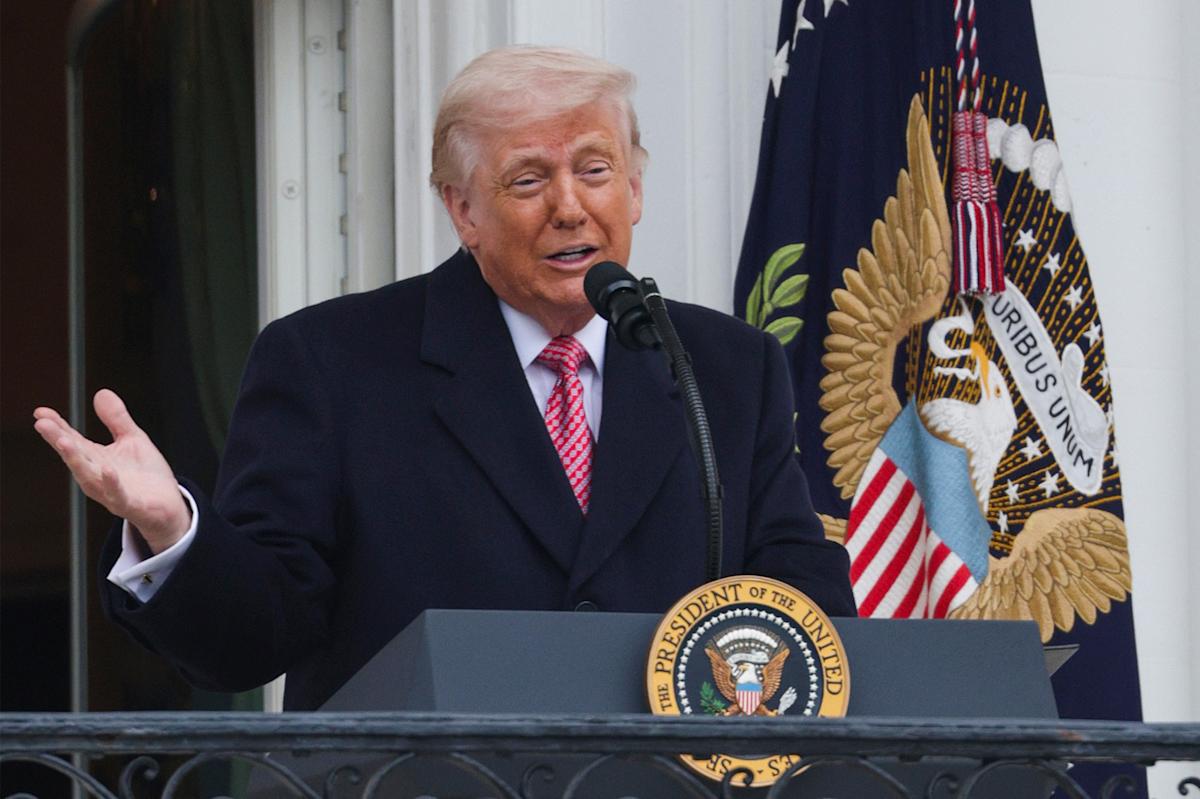
Trump Raises EU Auto Tariffs to 25%
President Trump announced a 25% tariff increase on European Union cars and trucks, citing the EU's failure to comply with a trade agreement. The decision has sparked criticism from EU officials, who labeled the move as "unacceptable" and an unreliable approach to trade partnerships. The tariffs aim to encourage European automakers to shift production to the U.S., though this action strains U.S.-EU trade relations and raises concerns over economic and legal implications.
02 May 26