Consumer Sentiment Declines, Costco Thrives Amid Economic Uncertainty
Written by Emily J. Thompson, Senior Investment Analyst
Updated: 2 days ago
0mins
Should l Buy COST?
Source: Yahoo Finance
- Consumer Confidence Decline: Recent data from the University of Michigan indicates a significant drop in consumer sentiment, with inflation soaring 3.8% year-over-year in April following the outbreak of the Iran war, leading consumers to be more cautious with discretionary spending, which poses serious challenges for retailers and restaurants.
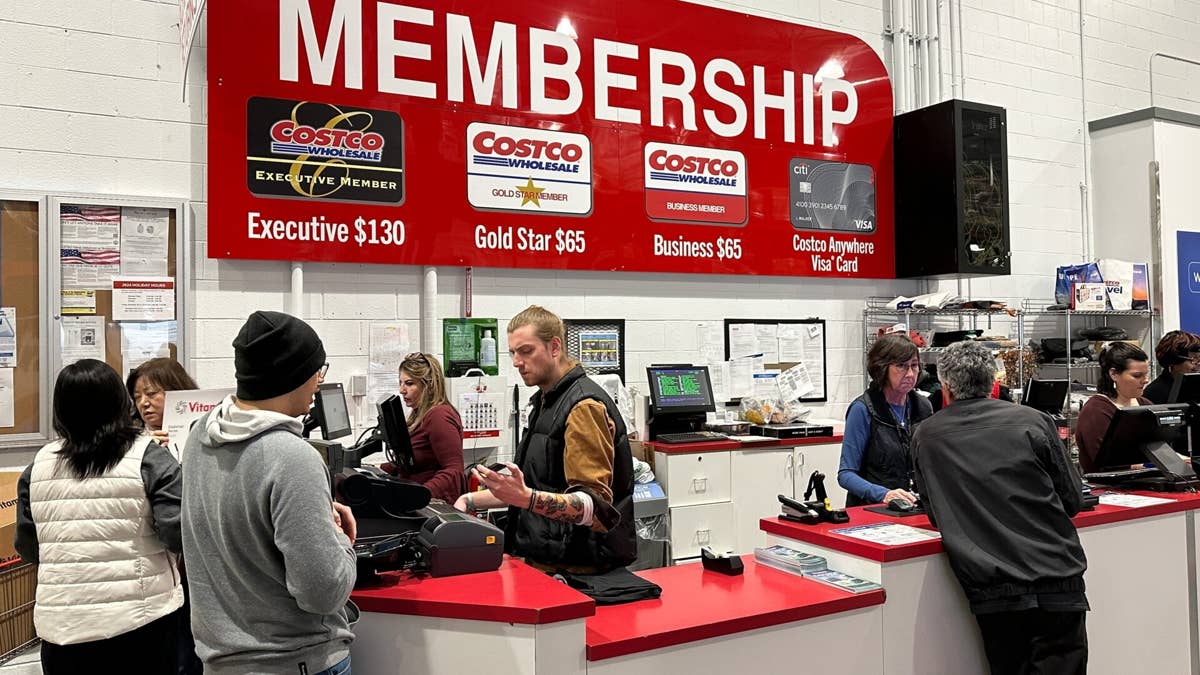
- Costco Sales Growth: Despite the unfavorable economic climate, Costco reported net sales of $23.92 billion in April, a 13% increase from $21.18 billion last year, while comparable sales rose 7.4% year-over-year in the latest quarter, demonstrating strong market performance amid economic uncertainty.
- Consumer Focus on Value: Costco's CFO noted that members are increasingly focused on quality and value, and as prices rise, the company's low-price strategy and unique shopping experience have attracted more consumers, driving repeat visits and larger transaction sizes.
- Kirkland Brand Advantage: Costco's Kirkland Signature private-label brand offers budget-conscious shoppers high-quality alternatives at 15% to 20% lower prices than national brands, which helps Costco attract a large customer base even under economic pressure, further solidifying its market position.
Trade with 70% Backtested Accuracy
Stop guessing "Should I Buy COST?" and start using high-conviction signals backed by rigorous historical data.
Sign up today to access powerful investing tools and make smarter, data-driven decisions.
Analyst Views on COST
Wall Street analysts forecast COST stock price to rise
24 Analyst Rating
19 Buy
4 Hold
1 Sell
Strong Buy
Current: 1048.950

Low
769.00
Averages
1061
High
1205
Current: 1048.950
Low
769.00
Averages
1061
High
1205
About COST
Costco Wholesale Corporation (Costco) operates membership warehouses and e-commerce sites that offer a selection of nationally branded and private-label products in a wide range of categories. The Company buys the majority of its merchandise directly from suppliers and route it to cross-docking consolidation points (depots) or directly to its warehouses. It operates 891 warehouses, including 614 in the United States and Puerto Rico, 108 in Canada, 40 in Mexico, 35 in Japan, 29 in the United Kingdom, 19 in Korea, 15 in Australia, 14 in Taiwan, seven in China, five in Spain, two in France, and one each in Iceland, New Zealand and Sweden. It also operates e-commerce sites in the United States, Canada, the United Kingdom, Mexico, Korea, Taiwan, Japan and Australia. The Company provides wide selection of merchandise, plus the convenience of specialty departments and exclusive member services.
About the author

Emily J. Thompson
Emily J. Thompson, a Chartered Financial Analyst (CFA) with 12 years in investment research, graduated with honors from the Wharton School. Specializing in industrial and technology stocks, she provides in-depth analysis for Intellectia’s earnings and market brief reports.
Consumer Sentiment Declines, Costco Thrives Amid Economic Uncertainty
- Consumer Confidence Decline: Recent data from the University of Michigan indicates a significant drop in consumer sentiment, with inflation soaring 3.8% year-over-year in April following the outbreak of the Iran war, leading consumers to be more cautious with discretionary spending, which poses serious challenges for retailers and restaurants.
- Costco Sales Growth: Despite the unfavorable economic climate, Costco reported net sales of $23.92 billion in April, a 13% increase from $21.18 billion last year, while comparable sales rose 7.4% year-over-year in the latest quarter, demonstrating strong market performance amid economic uncertainty.
- Consumer Focus on Value: Costco's CFO noted that members are increasingly focused on quality and value, and as prices rise, the company's low-price strategy and unique shopping experience have attracted more consumers, driving repeat visits and larger transaction sizes.
- Kirkland Brand Advantage: Costco's Kirkland Signature private-label brand offers budget-conscious shoppers high-quality alternatives at 15% to 20% lower prices than national brands, which helps Costco attract a large customer base even under economic pressure, further solidifying its market position.
See More
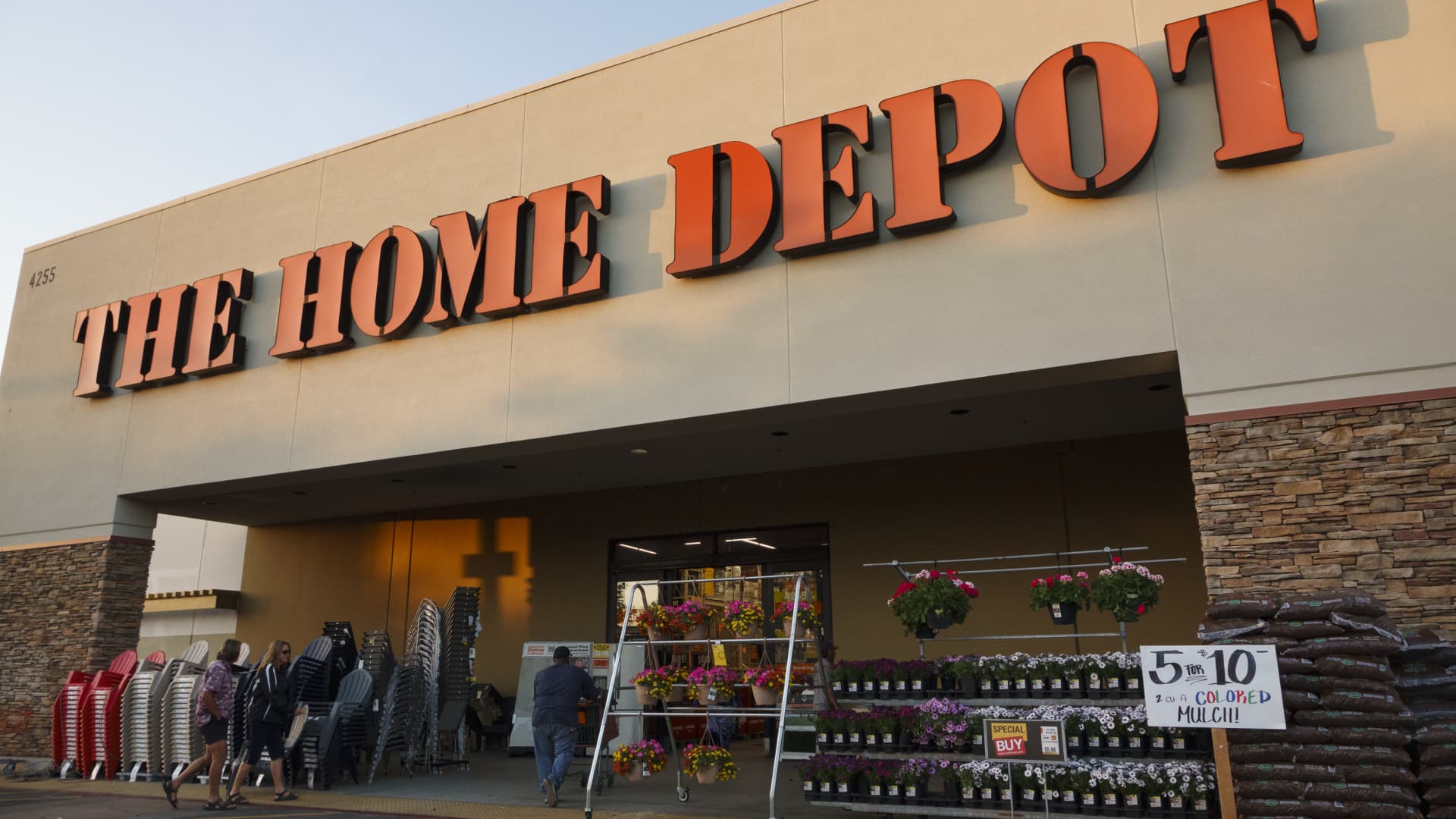
Retail Stocks Under Pressure as Earnings Reports Loom

- Retail Sector Decline: The S&P Retail Select Industry Index has dropped nearly 7% year-to-date, with the State Street SPDR S&P Retail ETF (XRT) following suit, indicating significant weakness in the retail sector and escalating investor concerns about consumer health.
- Consumer Sentiment Weakness: The University of Michigan's consumer sentiment survey hit an all-time low in May, reflecting a significant decline in consumer spending willingness under the pressures of high inflation and rising energy costs, which could adversely affect retailers' profitability.
- Pessimistic Earnings Outlook: Home Depot is expected to report first-quarter earnings per share of $3.41, while Lowe's and TJ Maxx are projected at $2.97 and $1.02 respectively, with analysts expressing skepticism about the retail sector's ability to achieve 20% earnings growth amid negative wage growth.
- Rising Consumer Credit Risks: The New York Fed reported that total household debt rose to $18.8 trillion in Q1, with credit card debt nearing all-time highs and personal savings rates dropping to 3.6%, indicating a deteriorating financial situation for consumers that may lead to further declines in demand.
See More

Peloton Faces Sales Challenges and Transformation

- Declining Revenue: Peloton's revenue is projected to fall to $2.43 billion in fiscal 2026, down 2% from $2.49 billion in fiscal 2025, indicating a continuous decline in sales since fiscal 2021, highlighting the company's failure to attract consumers post-pandemic.
- Subscriber Losses: As of the third quarter, Peloton's connected fitness subscribers shrank by 8% to 2.66 million, while paid app subscribers decreased by 9% to 522,000, indicating significant challenges in maintaining user loyalty, which impacts future revenue stability.
- Cost-Cutting Measures: Peloton has drastically reduced marketing and R&D expenses, bringing total operating costs down to $862 million in the first nine months of fiscal 2026 from $2.2 billion in fiscal 2022, resulting in a small GAAP profit of $1.6 million and reducing bankruptcy risk.
- Market Expansion Strategy: Peloton is now selling equipment through third-party retailers like Amazon and Dick's Sporting Goods, and has launched commercial versions of its treadmill and exercise bike, aiming to broaden its market reach, although analysts remain pessimistic about future sales growth.
See More

The Complexity of Investing in Tech Stocks

- QQQ's Strong Performance: The Invesco QQQ ETF has delivered an average annual return of 18.98% over the past decade, with a cumulative return of 578.64%, meaning a $10,000 investment made ten years ago would now be worth $67,864, showcasing its robust performance in tech stocks.
- Risk Warning: Despite QQQ's impressive track record, it has historically faced downturns, such as the 'lost decade' following the 2000 dot-com bubble, highlighting that tech stocks are not always a safe investment and can carry significant risks.
- Defensive Nature of SPYM: The State Street SPDR Portfolio S&P 500 ETF has achieved a 15.25% average annual return over the past decade, which, while lower than QQQ, offers a low expense ratio (0.02%) and broader sector coverage, making it an ideal choice for diversification.
- Market Diversification: SPYM's tech stock allocation is 37.1%, which is less concentrated than QQQ's 64%, allowing investors to reduce portfolio volatility while potentially benefiting from capital flows into other sectors when tech stocks underperform.
See More

Rising Bond Yields Threaten Stock Market Rally

- Market Dynamics: CNBC's Jim Cramer emphasized that the bond market currently dictates stock market movements, warning that any robust stock performance could be undermined by bond volatility ahead of key earnings reports, necessitating investor caution.
- Oil Prices and Inflation: Following President Trump's tough stance on Iran, oil prices surged, leading to rising Treasury yields, with Cramer noting that inflation concerns have diminished hopes for interest rate cuts from the Federal Reserve, further increasing stock market uncertainty.
- IPO Risk Warning: Cramer highlighted signs of speculative excess in recent IPOs, urging investors to adopt a cautious stance toward equities; while a market crash isn't imminent, he stressed the importance of protecting gains against potential risks.
- Earnings Report Outlook: Cramer expressed caution regarding upcoming earnings reports, particularly for Home Depot and Nvidia, although he remains optimistic about Nvidia's long-term prospects, suggesting that the company will need to deliver a perfect quarter to see significant stock price increases.
See More
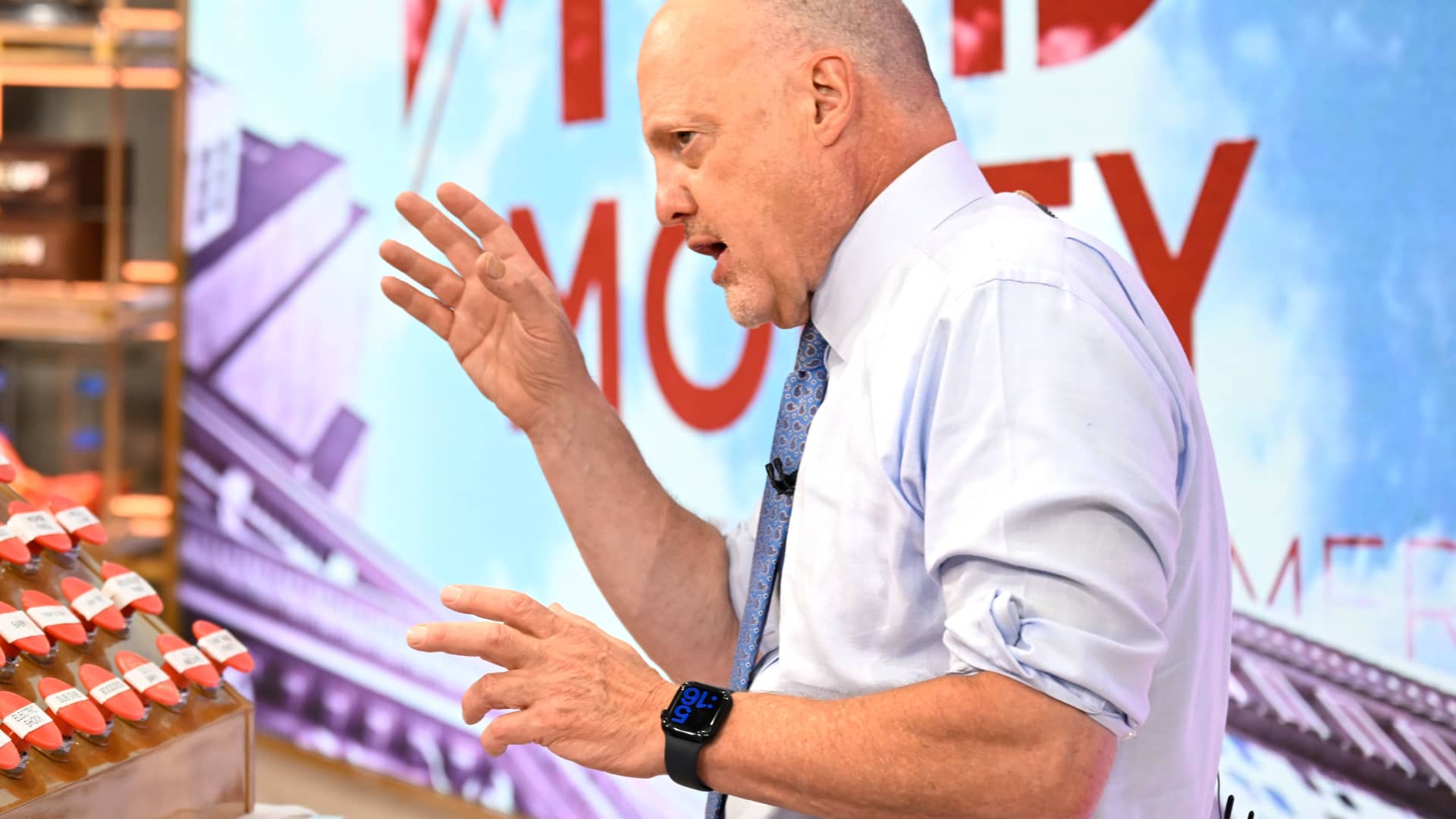
Bond Market Dominates Stock Trends, Cramer Issues Warning

- Market Dynamics: Cramer emphasizes that the bond market's volatility can significantly impact the stock market, especially ahead of key earnings reports, urging investors to remain vigilant to avoid losses due to bond market fluctuations.
- Oil Prices and Inflation Concerns: Trump's tough stance on Iran has led to rising oil prices and Treasury yields, with Cramer noting that stock market growth hinges on a decline in oil prices, highlighting increasing market concerns over inflation.
- IPO Market Risks: Cramer warns that speculative excess in recent IPOs could heighten risks in the stock market, suggesting that while a crisis hasn't emerged yet, investors should protect their gains and adopt a cautious approach.
- Upcoming Earnings Reports: Cramer expresses caution regarding upcoming earnings reports, particularly for Home Depot and Nvidia, although he remains optimistic about Nvidia's long-term prospects, stating it will need a perfect quarter to drive further stock price increases.
See More
Consumer Sentiment Declines, Costco Thrives Amid Economic Uncertainty
- Consumer Confidence Decline: Recent data from the University of Michigan indicates a significant drop in consumer sentiment, with inflation soaring 3.8% year-over-year in April following the outbreak of the Iran war, leading consumers to be more cautious with discretionary spending, which poses serious challenges for retailers and restaurants.
- Costco Sales Growth: Despite the unfavorable economic climate, Costco reported net sales of $23.92 billion in April, a 13% increase from $21.18 billion last year, while comparable sales rose 7.4% year-over-year in the latest quarter, demonstrating strong market performance amid economic uncertainty.
- Consumer Focus on Value: Costco's CFO noted that members are increasingly focused on quality and value, and as prices rise, the company's low-price strategy and unique shopping experience have attracted more consumers, driving repeat visits and larger transaction sizes.
- Kirkland Brand Advantage: Costco's Kirkland Signature private-label brand offers budget-conscious shoppers high-quality alternatives at 15% to 20% lower prices than national brands, which helps Costco attract a large customer base even under economic pressure, further solidifying its market position.
See More
Retail Stocks Under Pressure as Earnings Reports Loom
- Retail Sector Decline: The S&P Retail Select Industry Index has dropped nearly 7% year-to-date, with the State Street SPDR S&P Retail ETF (XRT) following suit, indicating significant weakness in the retail sector and escalating investor concerns about consumer health.
- Consumer Sentiment Weakness: The University of Michigan's consumer sentiment survey hit an all-time low in May, reflecting a significant decline in consumer spending willingness under the pressures of high inflation and rising energy costs, which could adversely affect retailers' profitability.
- Pessimistic Earnings Outlook: Home Depot is expected to report first-quarter earnings per share of $3.41, while Lowe's and TJ Maxx are projected at $2.97 and $1.02 respectively, with analysts expressing skepticism about the retail sector's ability to achieve 20% earnings growth amid negative wage growth.
- Rising Consumer Credit Risks: The New York Fed reported that total household debt rose to $18.8 trillion in Q1, with credit card debt nearing all-time highs and personal savings rates dropping to 3.6%, indicating a deteriorating financial situation for consumers that may lead to further declines in demand.
See More
Peloton Faces Sales Challenges and Transformation
- Declining Revenue: Peloton's revenue is projected to fall to $2.43 billion in fiscal 2026, down 2% from $2.49 billion in fiscal 2025, indicating a continuous decline in sales since fiscal 2021, highlighting the company's failure to attract consumers post-pandemic.
- Subscriber Losses: As of the third quarter, Peloton's connected fitness subscribers shrank by 8% to 2.66 million, while paid app subscribers decreased by 9% to 522,000, indicating significant challenges in maintaining user loyalty, which impacts future revenue stability.
- Cost-Cutting Measures: Peloton has drastically reduced marketing and R&D expenses, bringing total operating costs down to $862 million in the first nine months of fiscal 2026 from $2.2 billion in fiscal 2022, resulting in a small GAAP profit of $1.6 million and reducing bankruptcy risk.
- Market Expansion Strategy: Peloton is now selling equipment through third-party retailers like Amazon and Dick's Sporting Goods, and has launched commercial versions of its treadmill and exercise bike, aiming to broaden its market reach, although analysts remain pessimistic about future sales growth.
See More
The Complexity of Investing in Tech Stocks
- QQQ's Strong Performance: The Invesco QQQ ETF has delivered an average annual return of 18.98% over the past decade, with a cumulative return of 578.64%, meaning a $10,000 investment made ten years ago would now be worth $67,864, showcasing its robust performance in tech stocks.
- Risk Warning: Despite QQQ's impressive track record, it has historically faced downturns, such as the 'lost decade' following the 2000 dot-com bubble, highlighting that tech stocks are not always a safe investment and can carry significant risks.
- Defensive Nature of SPYM: The State Street SPDR Portfolio S&P 500 ETF has achieved a 15.25% average annual return over the past decade, which, while lower than QQQ, offers a low expense ratio (0.02%) and broader sector coverage, making it an ideal choice for diversification.
- Market Diversification: SPYM's tech stock allocation is 37.1%, which is less concentrated than QQQ's 64%, allowing investors to reduce portfolio volatility while potentially benefiting from capital flows into other sectors when tech stocks underperform.
See More
Rising Bond Yields Threaten Stock Market Rally
- Market Dynamics: CNBC's Jim Cramer emphasized that the bond market currently dictates stock market movements, warning that any robust stock performance could be undermined by bond volatility ahead of key earnings reports, necessitating investor caution.
- Oil Prices and Inflation: Following President Trump's tough stance on Iran, oil prices surged, leading to rising Treasury yields, with Cramer noting that inflation concerns have diminished hopes for interest rate cuts from the Federal Reserve, further increasing stock market uncertainty.
- IPO Risk Warning: Cramer highlighted signs of speculative excess in recent IPOs, urging investors to adopt a cautious stance toward equities; while a market crash isn't imminent, he stressed the importance of protecting gains against potential risks.
- Earnings Report Outlook: Cramer expressed caution regarding upcoming earnings reports, particularly for Home Depot and Nvidia, although he remains optimistic about Nvidia's long-term prospects, suggesting that the company will need to deliver a perfect quarter to see significant stock price increases.
See More
Bond Market Dominates Stock Trends, Cramer Issues Warning
- Market Dynamics: Cramer emphasizes that the bond market's volatility can significantly impact the stock market, especially ahead of key earnings reports, urging investors to remain vigilant to avoid losses due to bond market fluctuations.
- Oil Prices and Inflation Concerns: Trump's tough stance on Iran has led to rising oil prices and Treasury yields, with Cramer noting that stock market growth hinges on a decline in oil prices, highlighting increasing market concerns over inflation.
- IPO Market Risks: Cramer warns that speculative excess in recent IPOs could heighten risks in the stock market, suggesting that while a crisis hasn't emerged yet, investors should protect their gains and adopt a cautious approach.
- Upcoming Earnings Reports: Cramer expresses caution regarding upcoming earnings reports, particularly for Home Depot and Nvidia, although he remains optimistic about Nvidia's long-term prospects, stating it will need a perfect quarter to drive further stock price increases.
See More